
Birding Sites
in Zambia
Why Zambia is a
Premier Birding Destination
BirdWatch Zambia (BWZ) is a membership-based environmental NGO dedicated to the conservation of Zambia’s birds and their habitats. Established in 1969, the organisation works to protect Important Bird Areas, support community conservation groups, promote environmental education, and strengthen national biodiversity knowledge. As the official BirdLife International partner in Zambia, BWZ plays a key role in safeguarding the country’s rich birdlife and advocating for nature conservation across the nation.
Zambia’s Birding Diversity
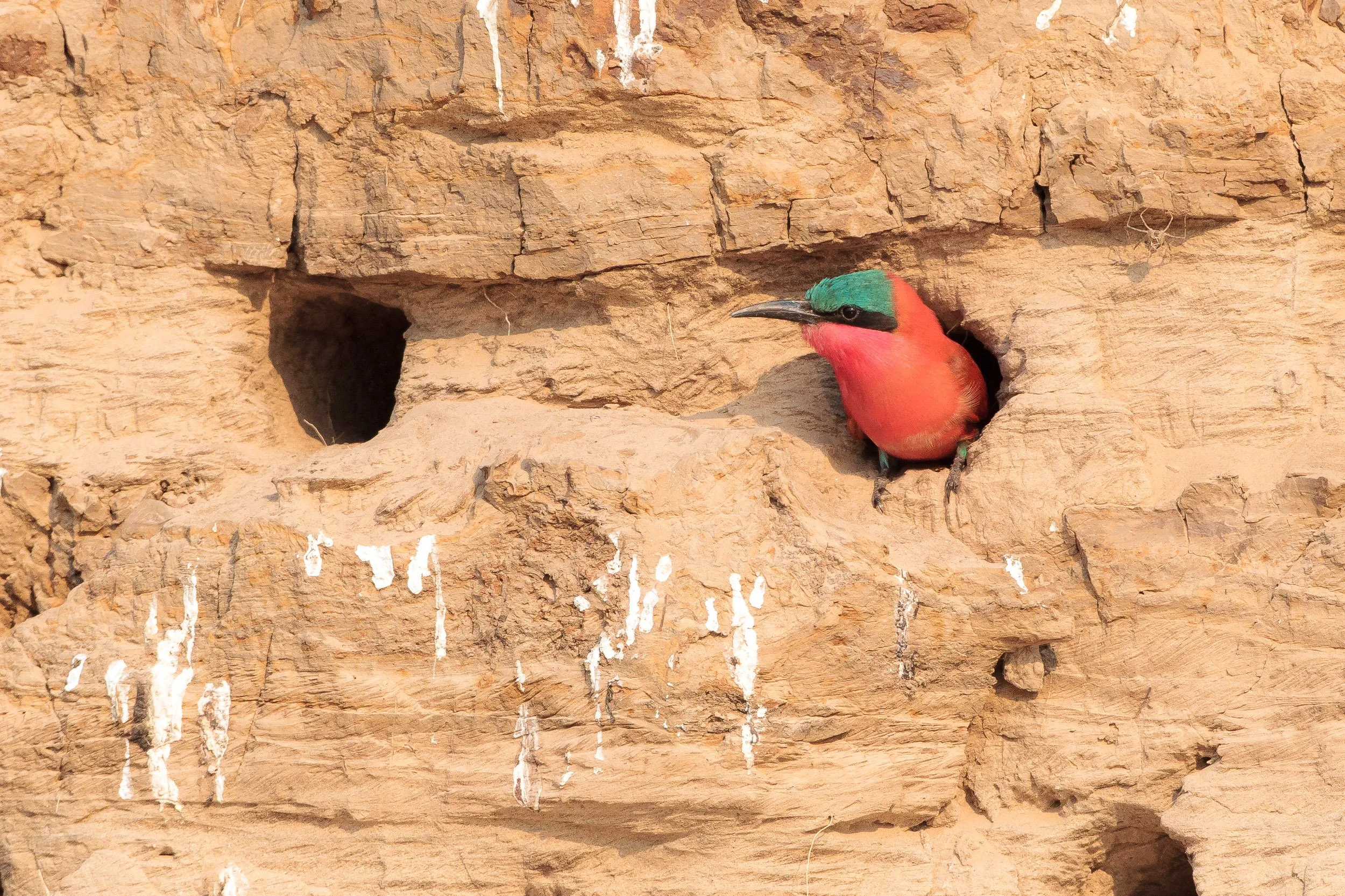
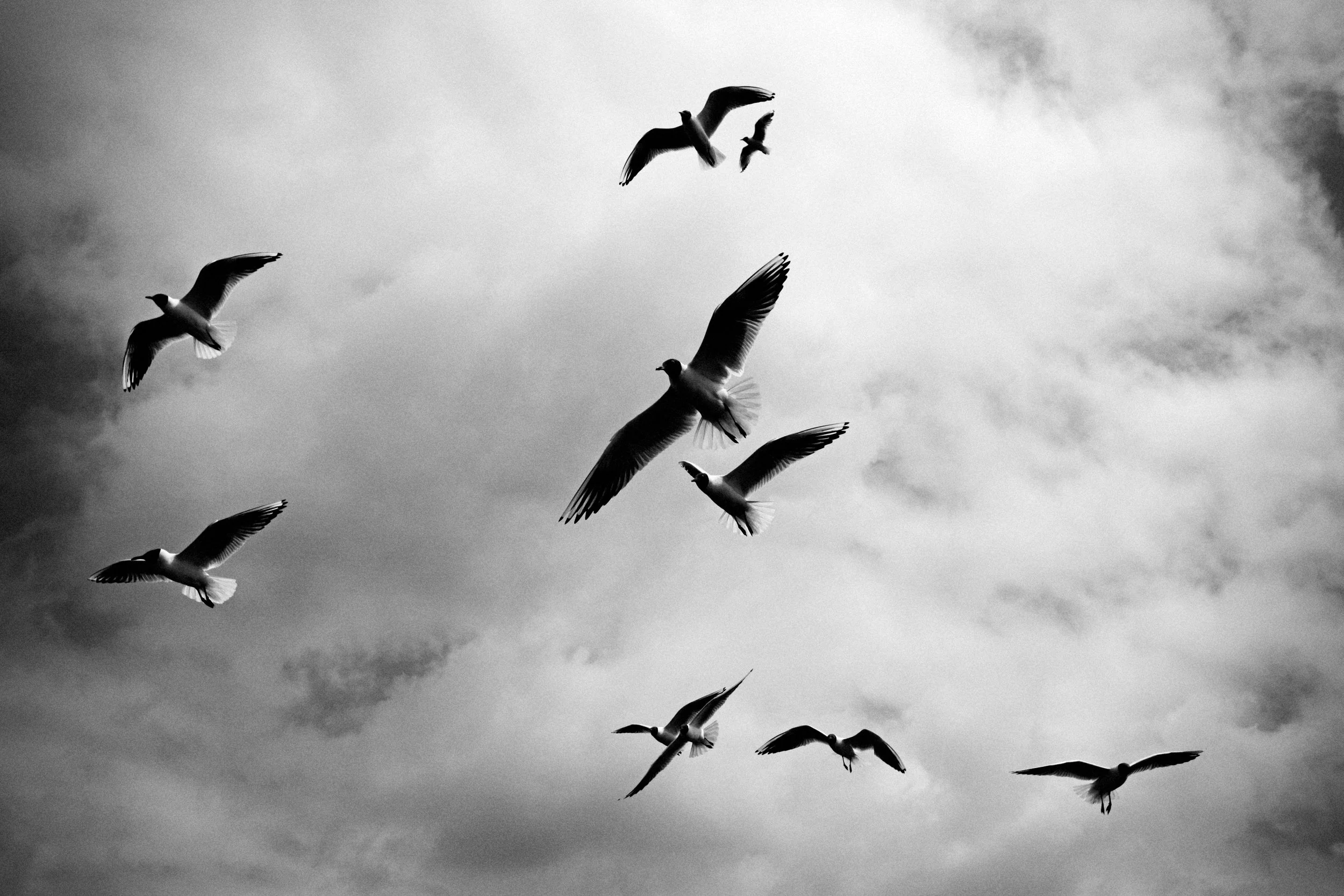
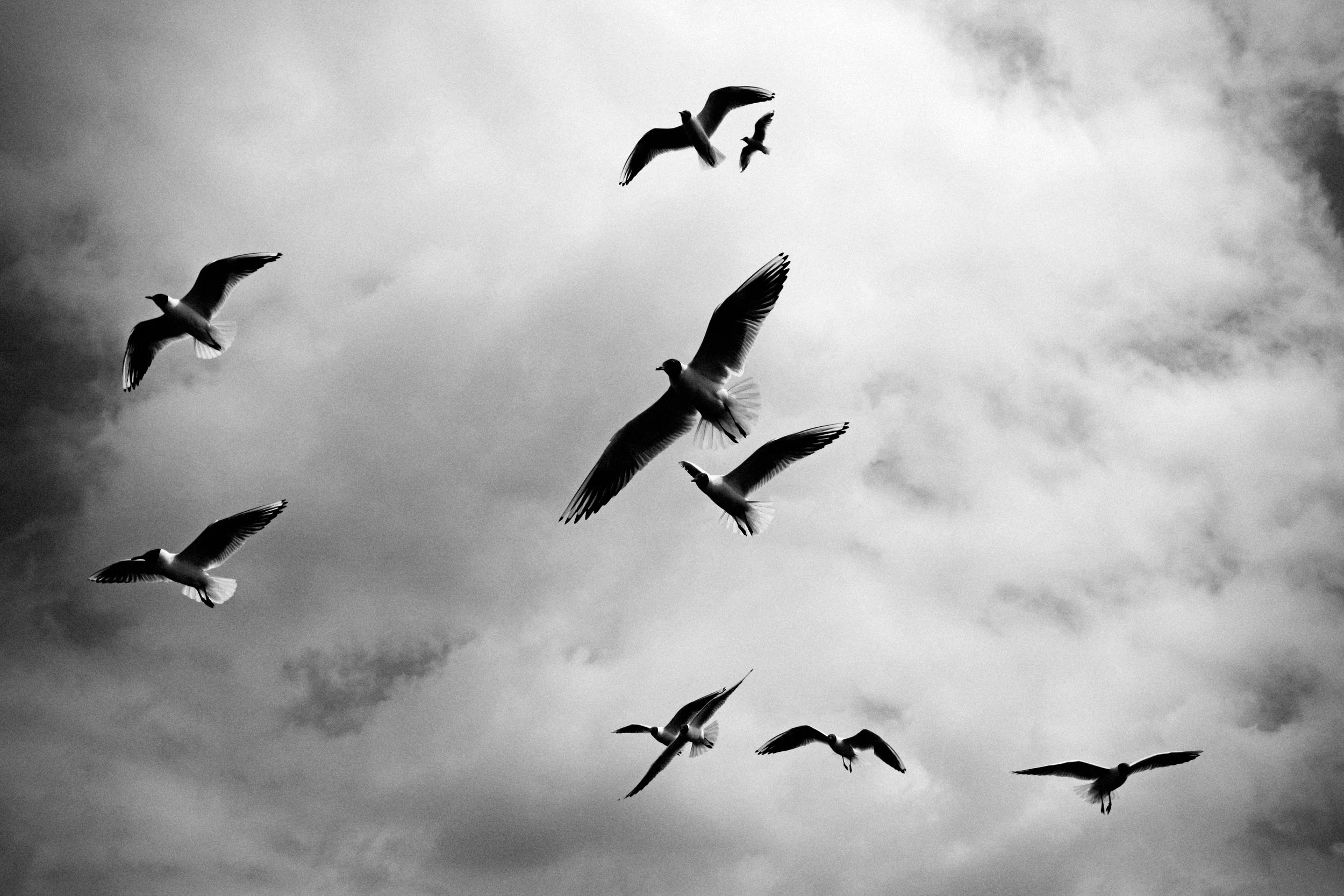
Zambia is home to hundreds of bird species and some of Africa’s richest and most varied habitats — ranging from riverine wetlands and floodplains, to woodlands, miombo forests and open plains. Because of this diversity, the country offers exceptional birdwatching opportunities for newcomers and seasoned twitchers alike.
Important Bird Areas
Across the Country
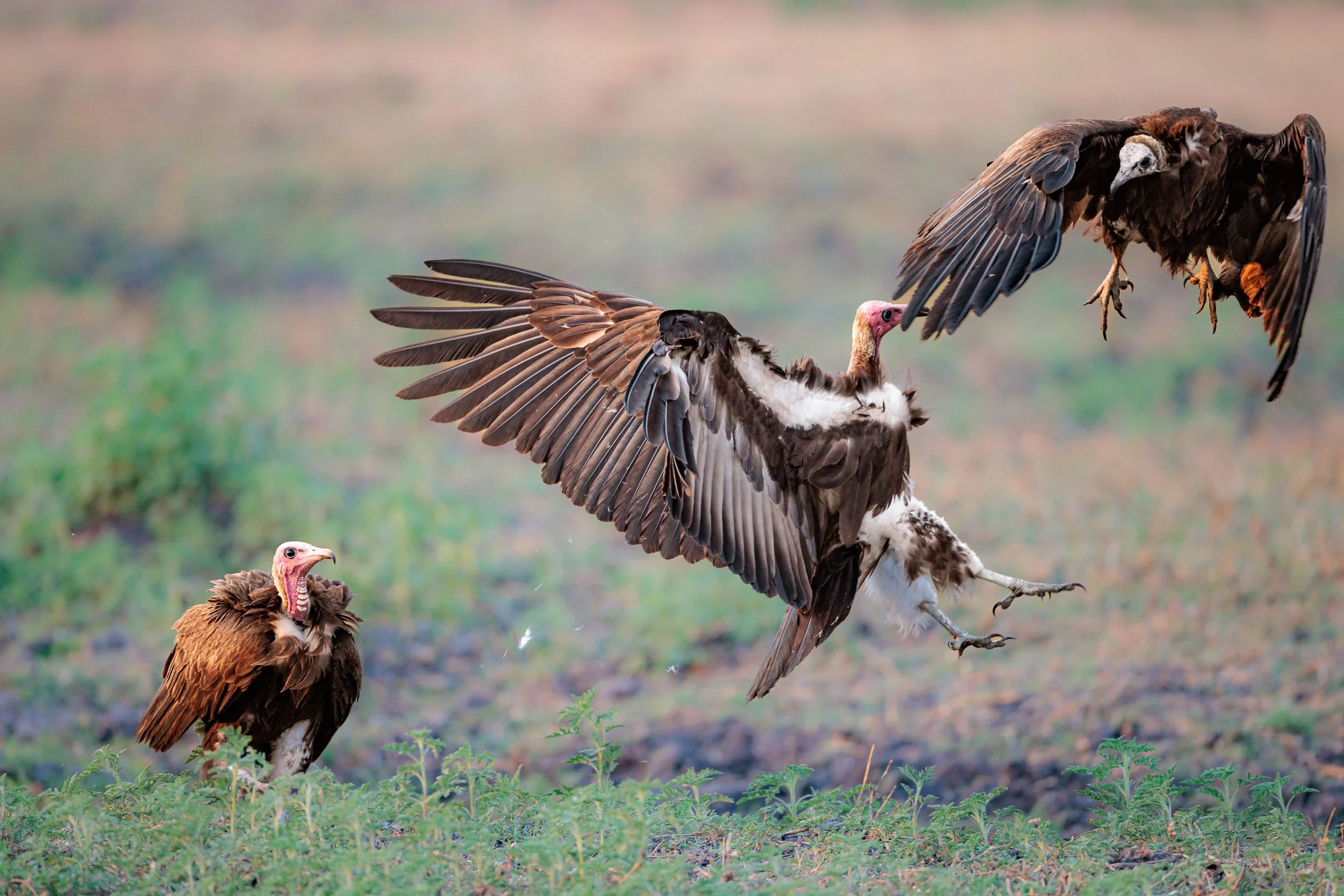
Our network draws on the 42 officially recognized Important Bird and Biodiversity Areas (IBAs) / Key Biodiversity Areas (KBAs) identified across Zambia — ensuring that both common and rare species, along with their habitats, are protected and accessible.
Below are a selection of top birding destinations across Zambia — each with its unique habitat, species highlights, and seasonal strengths.
Featured
Birding
Sites
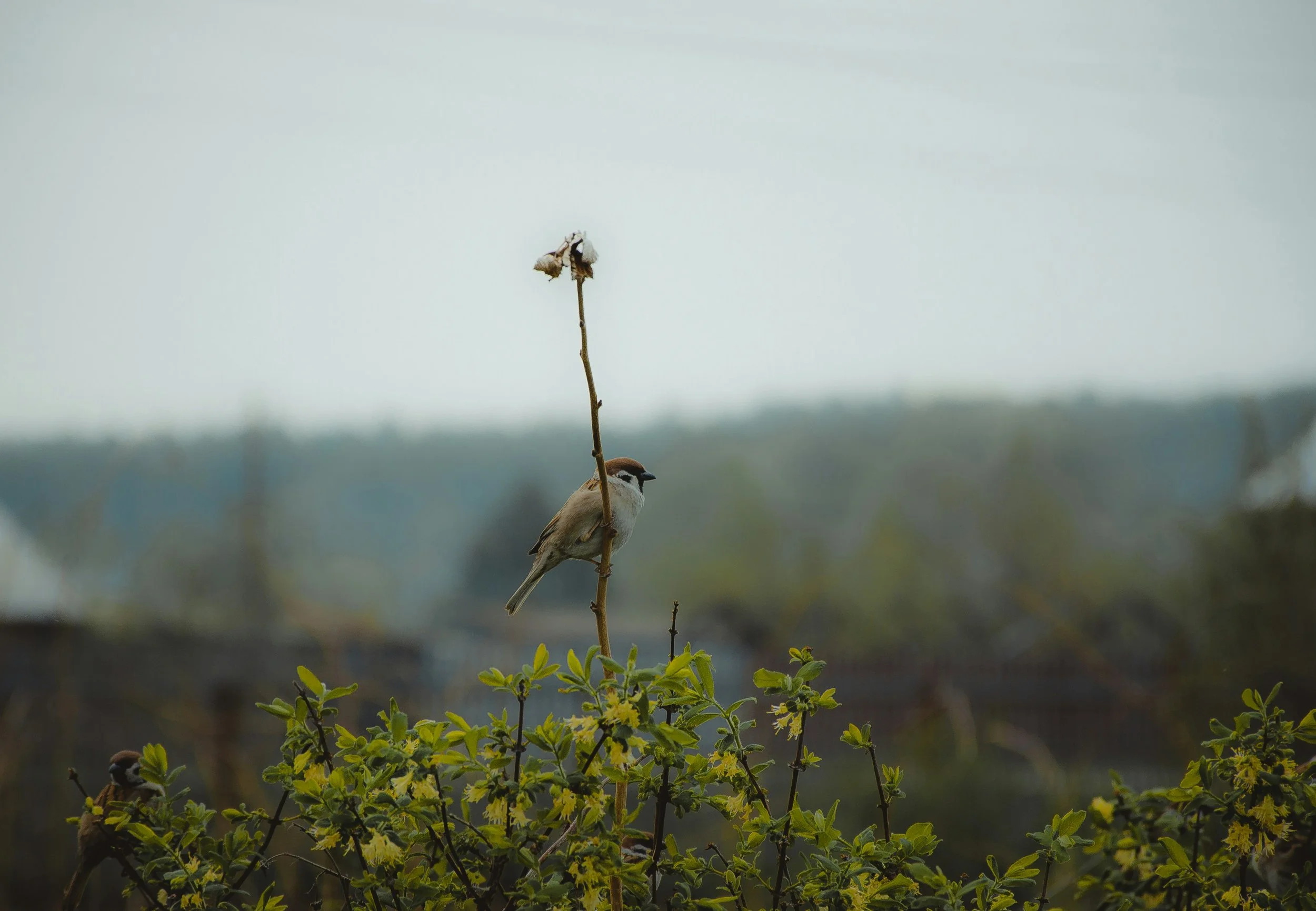
Kafue National Park
One of the largest and most diverse parks in Zambia, Kafue offers a rich mix of woodland, wetlands, floodplains, and riverine forests — attracting over 480 recorded bird species.
What to expect: Wetland waterbirds in floodplains (e.g. cranes, storks, herons), woodland and savannah species, rare finds like the African finfoot, and stunning miombo woodland birds during the migratory or breeding seasons.
Why go: Great variety, year-round birding potential, and a good balance between water, forest, and savannah ecozones.
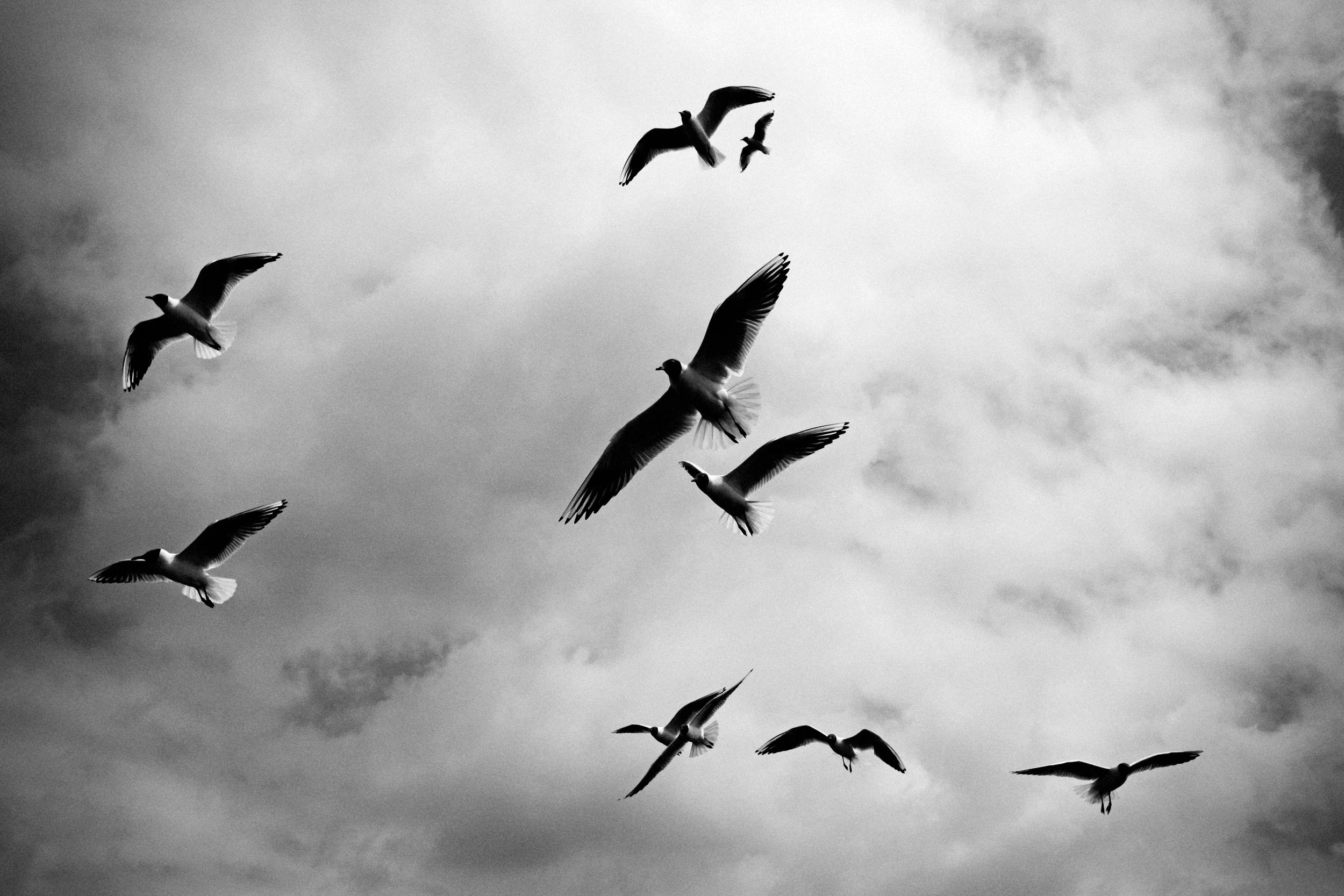
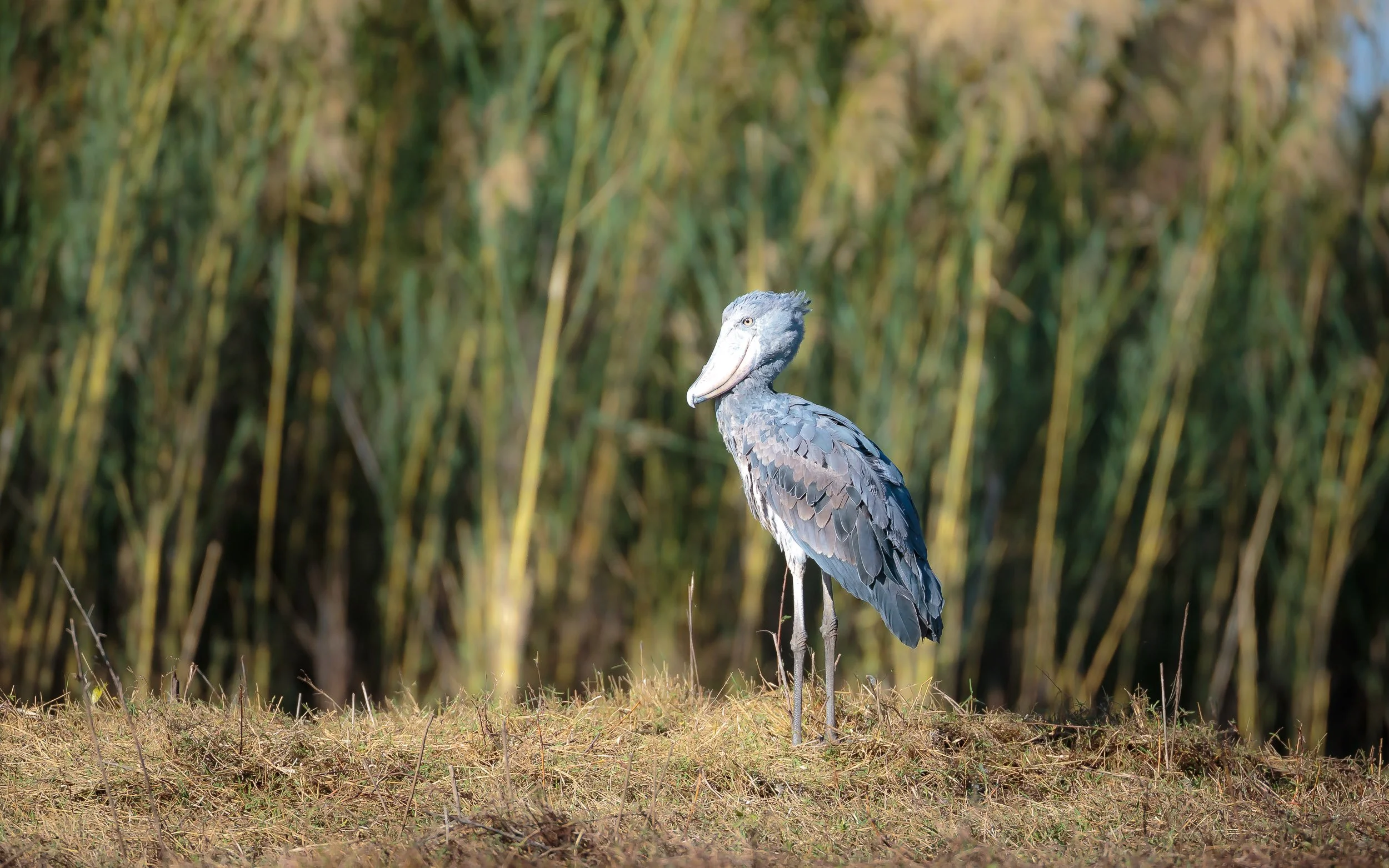
Bangweulu Wetlands
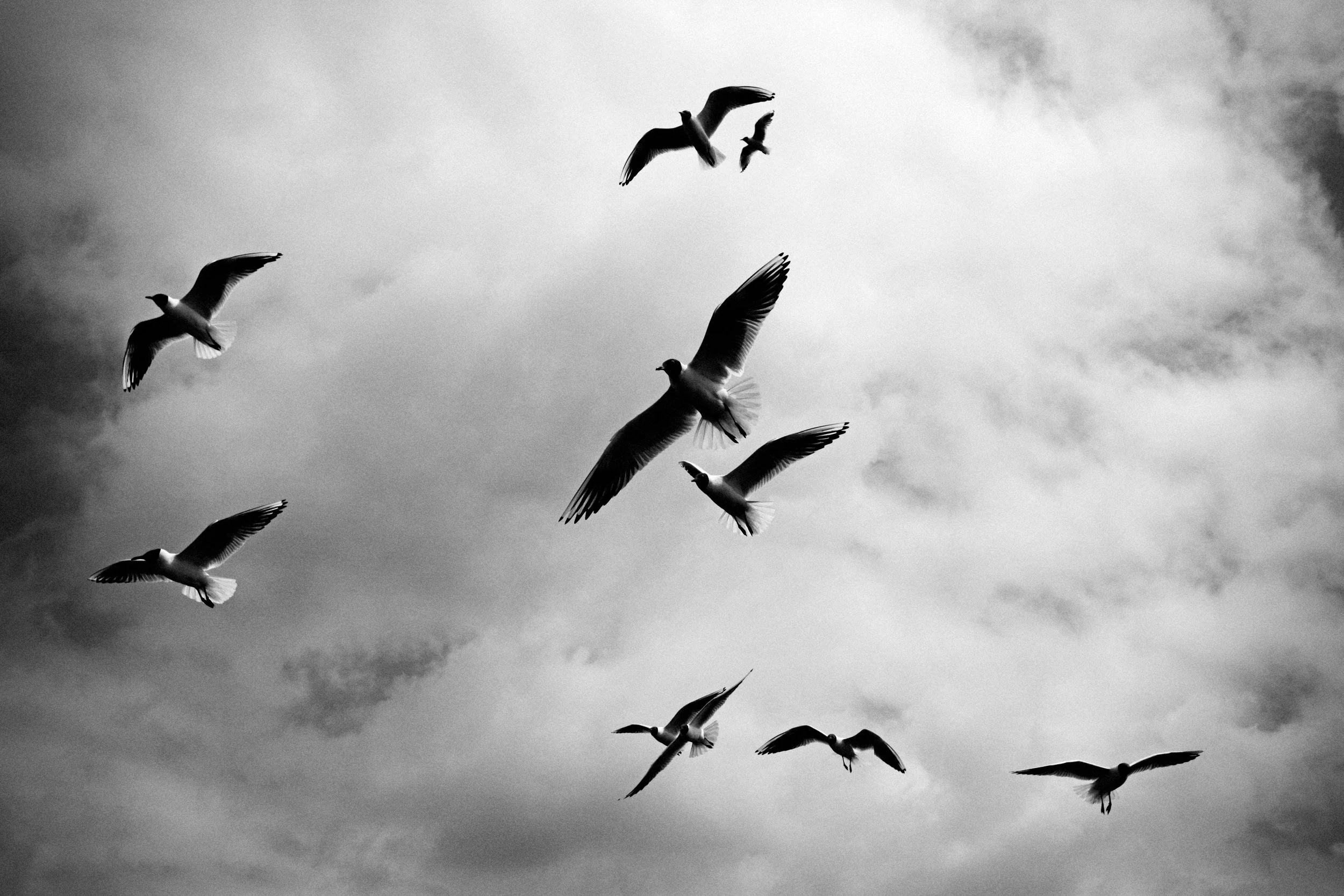
A wetland system of global importance, Bangweulu is a sanctuary for waterbirds, marsh dwellers, and migratory species — making it a prime location for wetland and aquatic birding.
What to expect: Shoebill sightings (among other wetland specialists), large flocks of waterbirds, seasonal migrations, and rich swamp and floodplain habitats.
Why go: For spectacular waterbird spectacles and rare marsh species not easily found elsewhere.
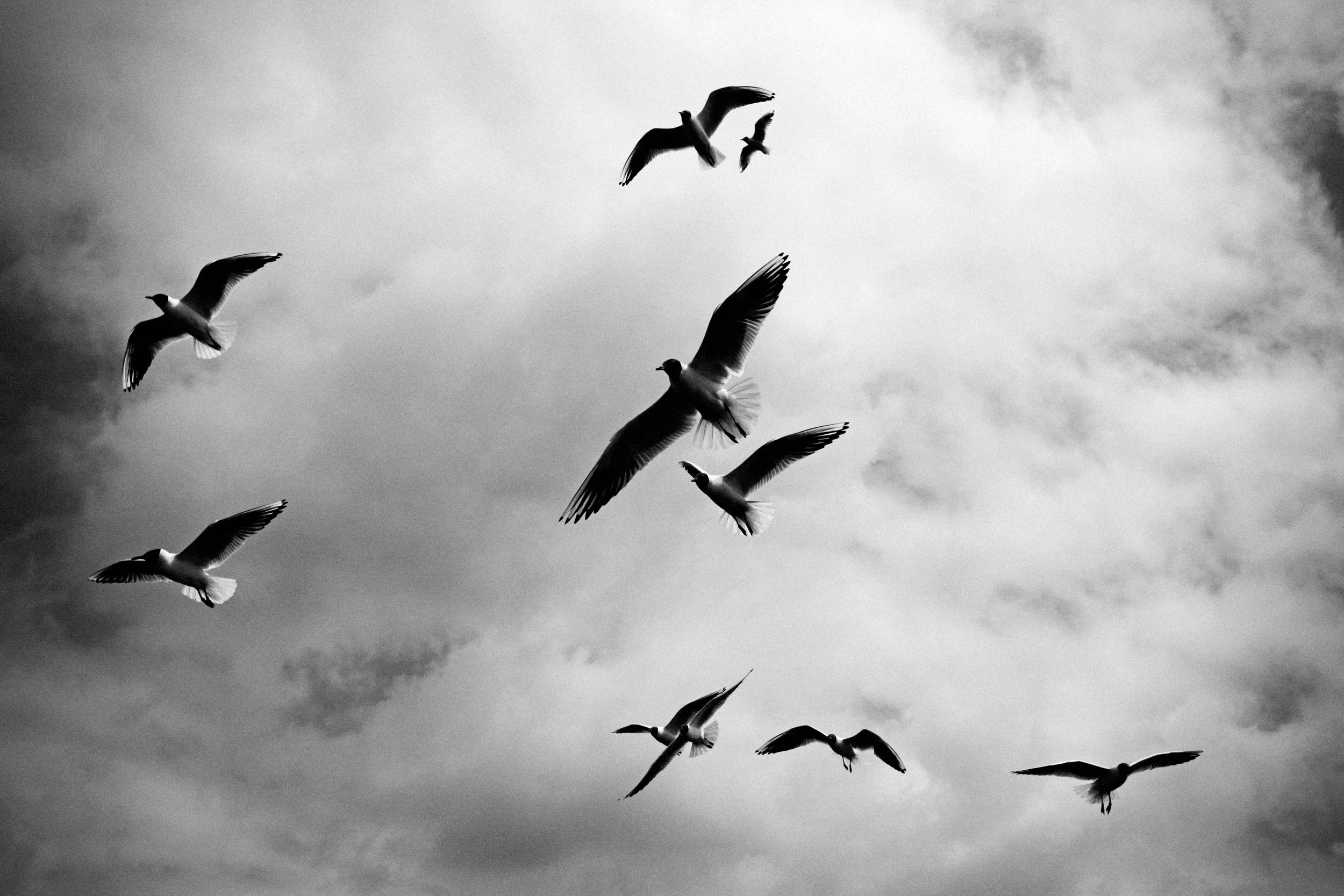
Chimfunshi Site
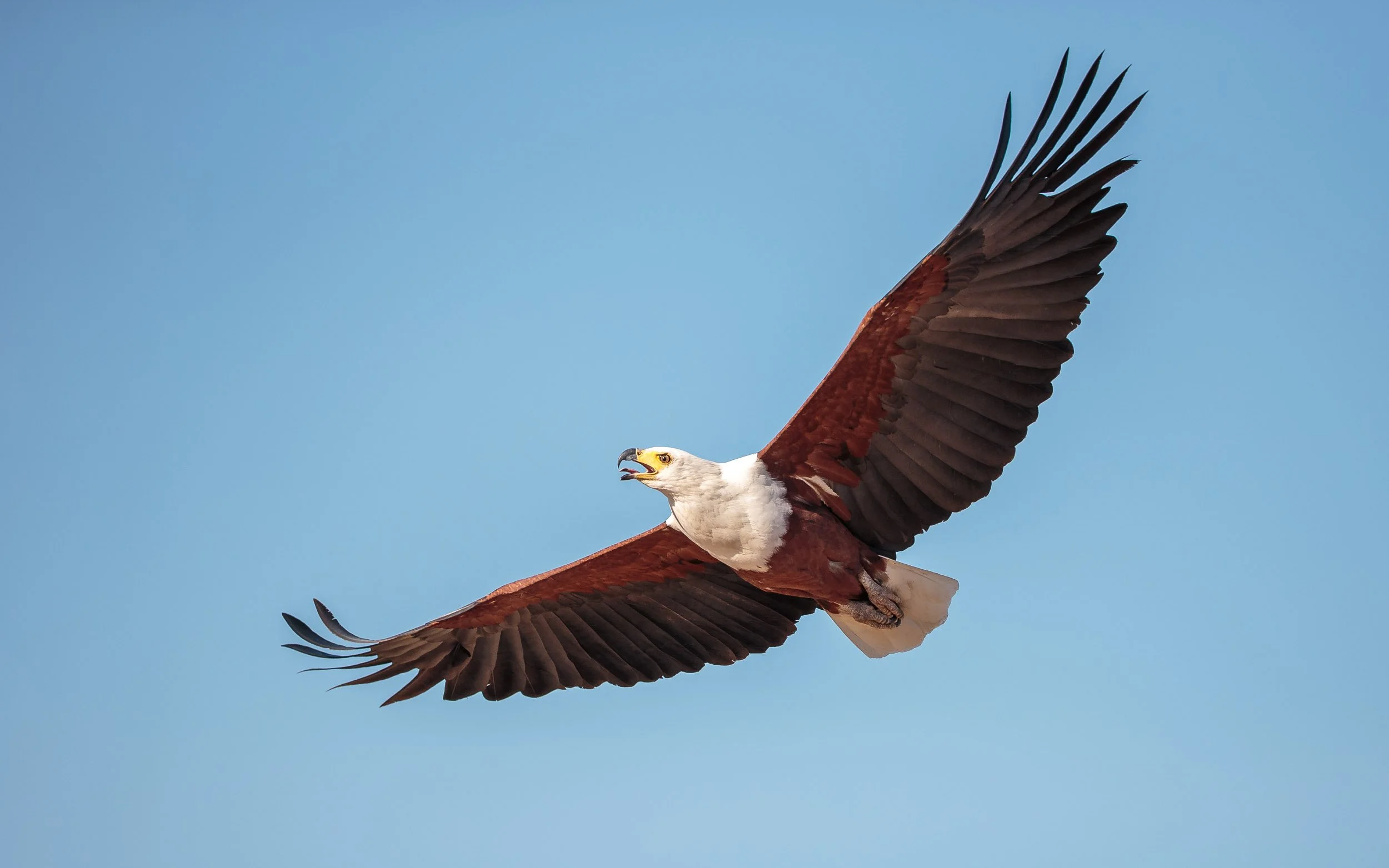
Chimfunshi is a large private farm located on the banks of the Kafue River near its headwaters, close to the DRC border. The area features a mix of miombo woodland (60%) and floodplain (40%), with sections of riparian forest and dambos. At the heart of the site is a well-established chimpanzee orphanage, which has attracted international attention. Chimfunshi includes:
20 ha Farm of sustainable agriculture
200 ha fenced sanctuary for wildlife
The remainder left as natural habitat
Visitors are welcome year-round, with chalets, campsites, and an education centre available. Future plans include the development of a lodge.
South Luangwa National Park
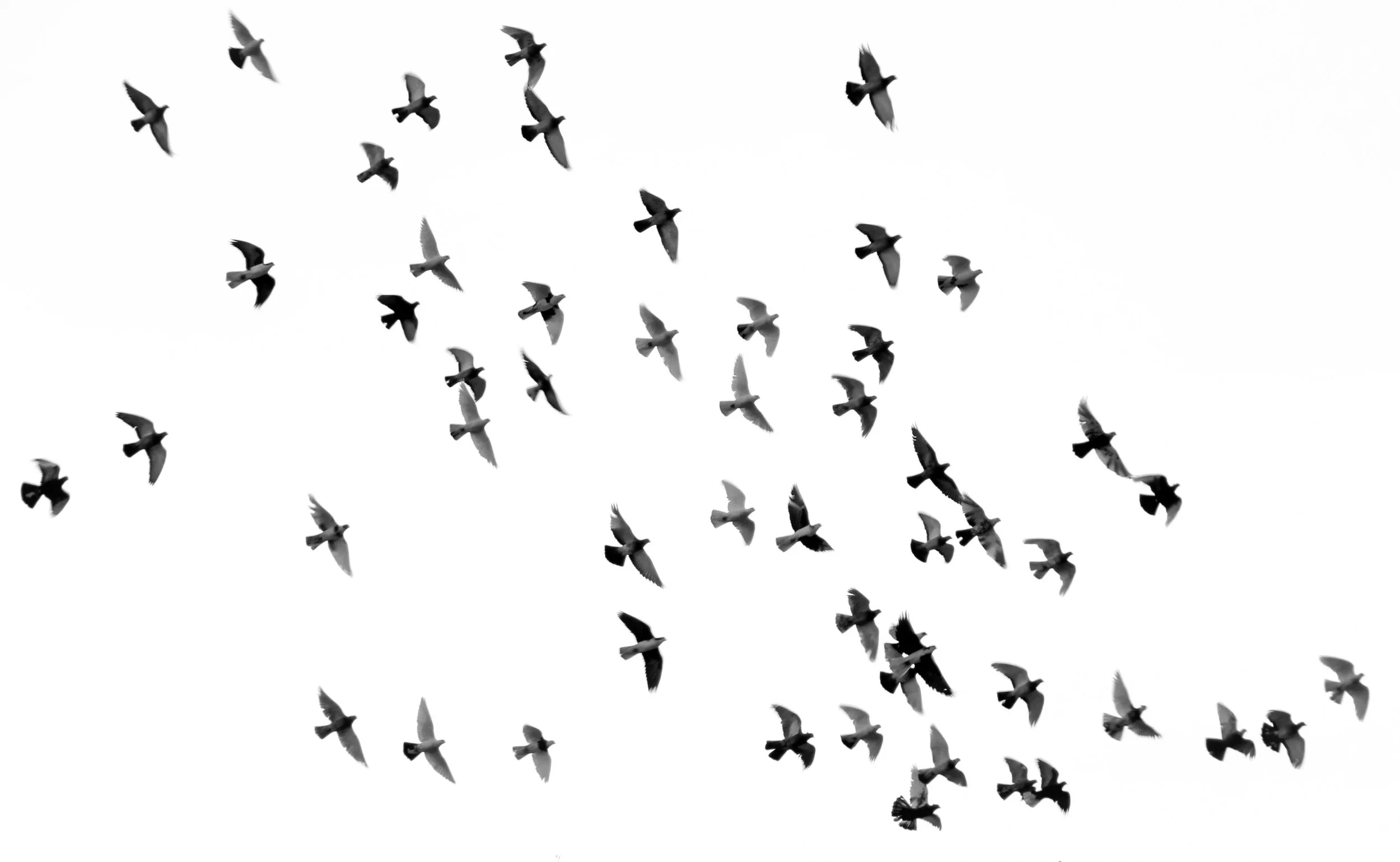
South Luangwa is widely recognised as a top birding and wildlife destination — convenient for travellers who want to combine general safari with great birdwatching.
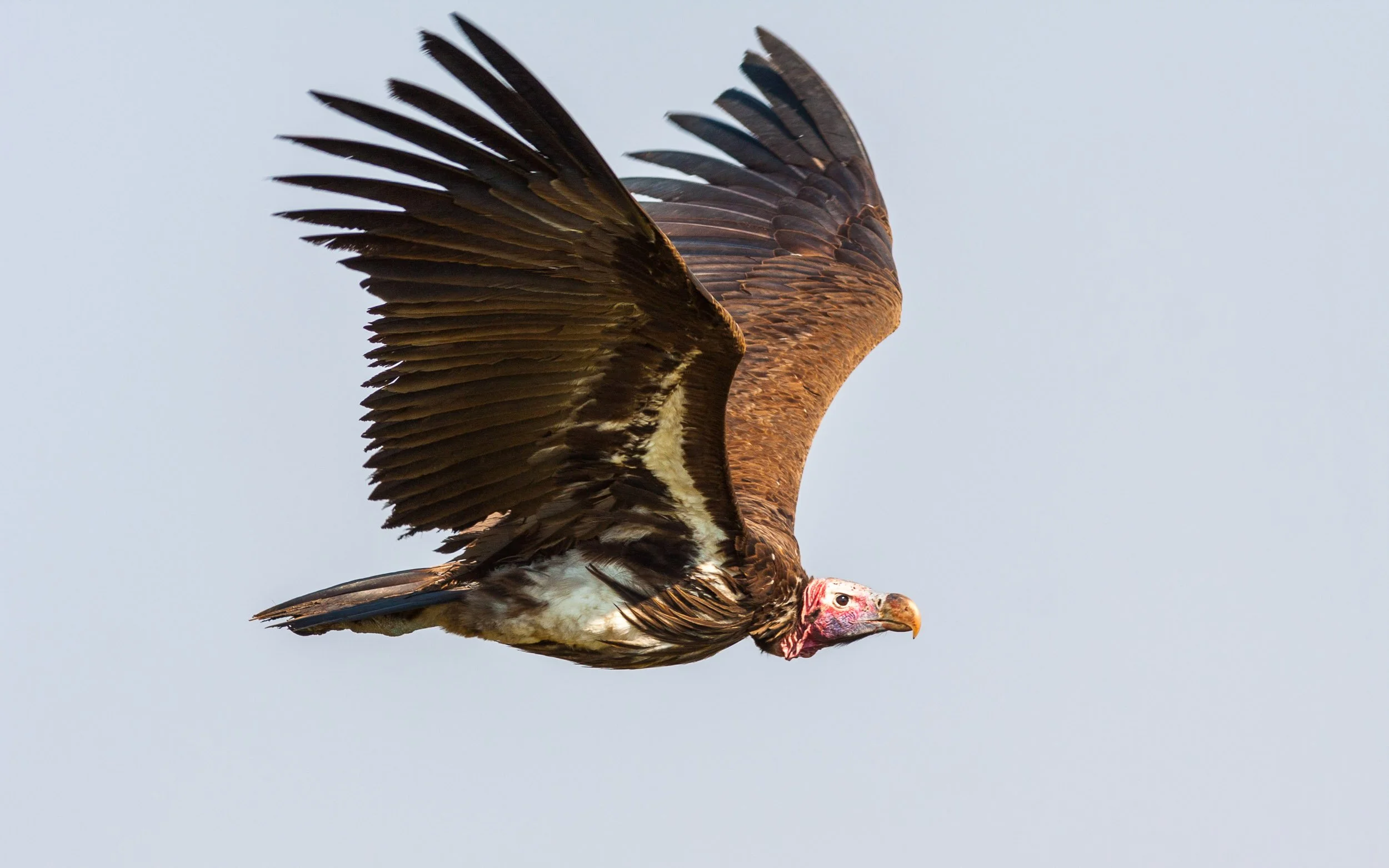
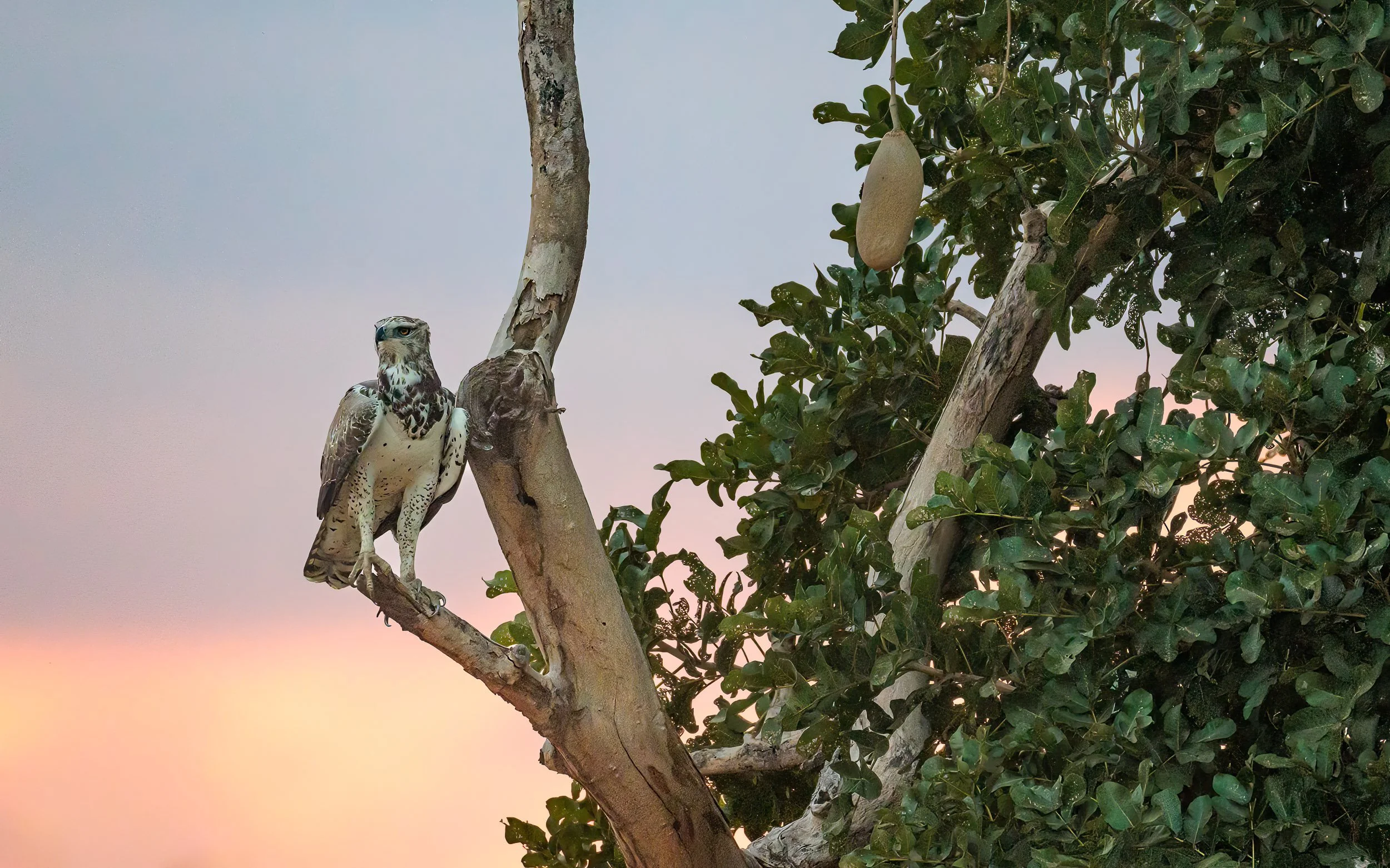
What to expect: Raptors (eagles, owls), unique woodland and riverine birdlife, migratory species depending on season, and a mix of forest, river, and grassland habitats that support diverse bird communities.
Why go: Perfect for a mixed safari + birding experience — especially for those interested in both big game and avian biodiversity.
Lochinvar National Park
& Blue Lagoon National Park
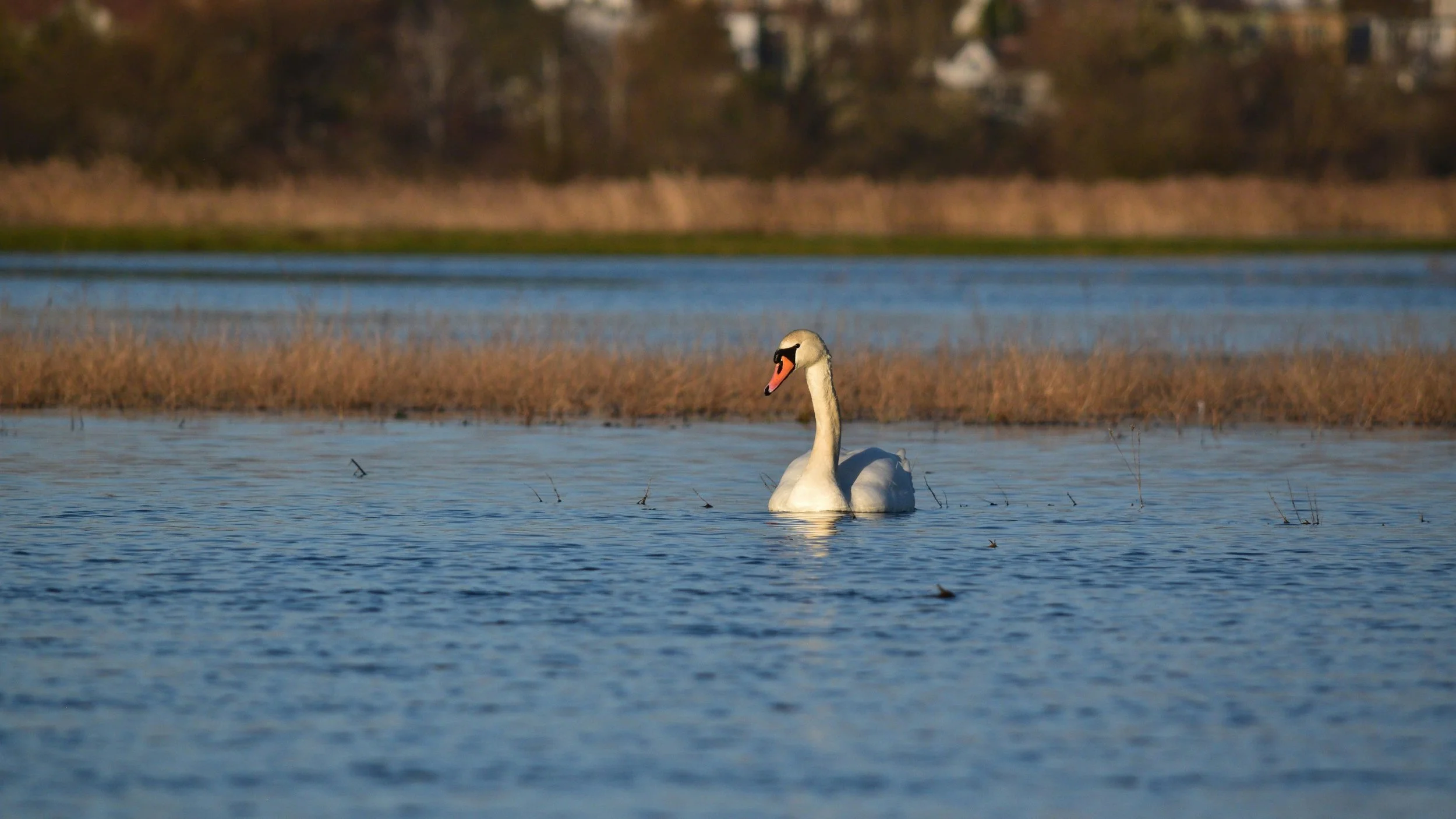
The floodplains and wetlands around the Kafue Flats — including Lochinvar and Blue Lagoon — are especially important for waterbirds, migratory species, and wetland-dependent birds.
What to expect: Large flocks of waterbirds, migratory species, aquatic and grassland birds, and seasonal shifts offering different birdwatching experiences throughout the year.
Why go: For wetland species, easy access (relative to remote zones), and a contrast to woodland or forest reserves.
When to Go &
What to Know
Wet season (November – April): Wetland and floodplain habitats fill up; migratory waterbirds arrive; wetlands and swamps are active.
Dry season (May – October): Water levels drop, making birds easier to spot; woodland and savannah species more visible; easier access in many parks.
Guides & Conservation Support: Many of the IBAs / KBAs are monitored through conservation organisations such as BirdWatch Zambia — linking birding, habitat protection, and community-based conservation.
How We Support
Birding & Conservation
Research & Monitoring: Documenting species, tracking populations, and updating national bird lists.
Habitat Protection: Safeguarding critical habitats within IBAs/KBAs to ensure birds and biodiversity thrive.
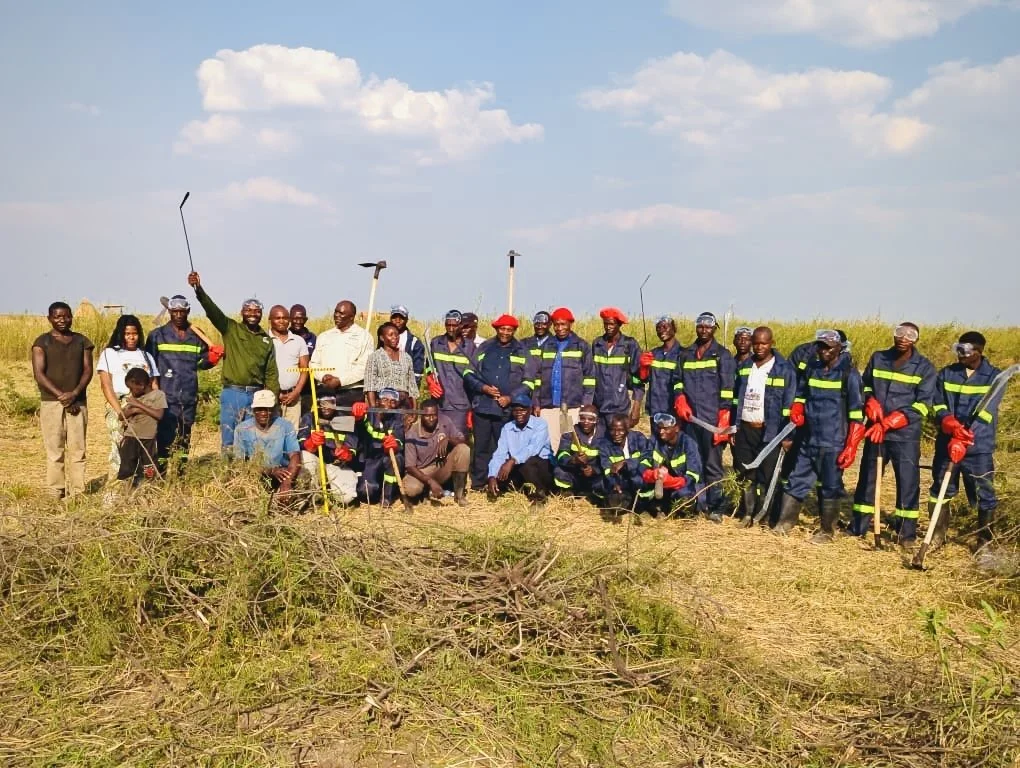
Community Engagement: Working with local communities to raise awareness, support conservation practices, and link livelihoods with biodiversity protection.
Advocacy & Systems: Promoting sustainable environmental policies, land-use planning, and conservation frameworks to protect habitats long-term.