
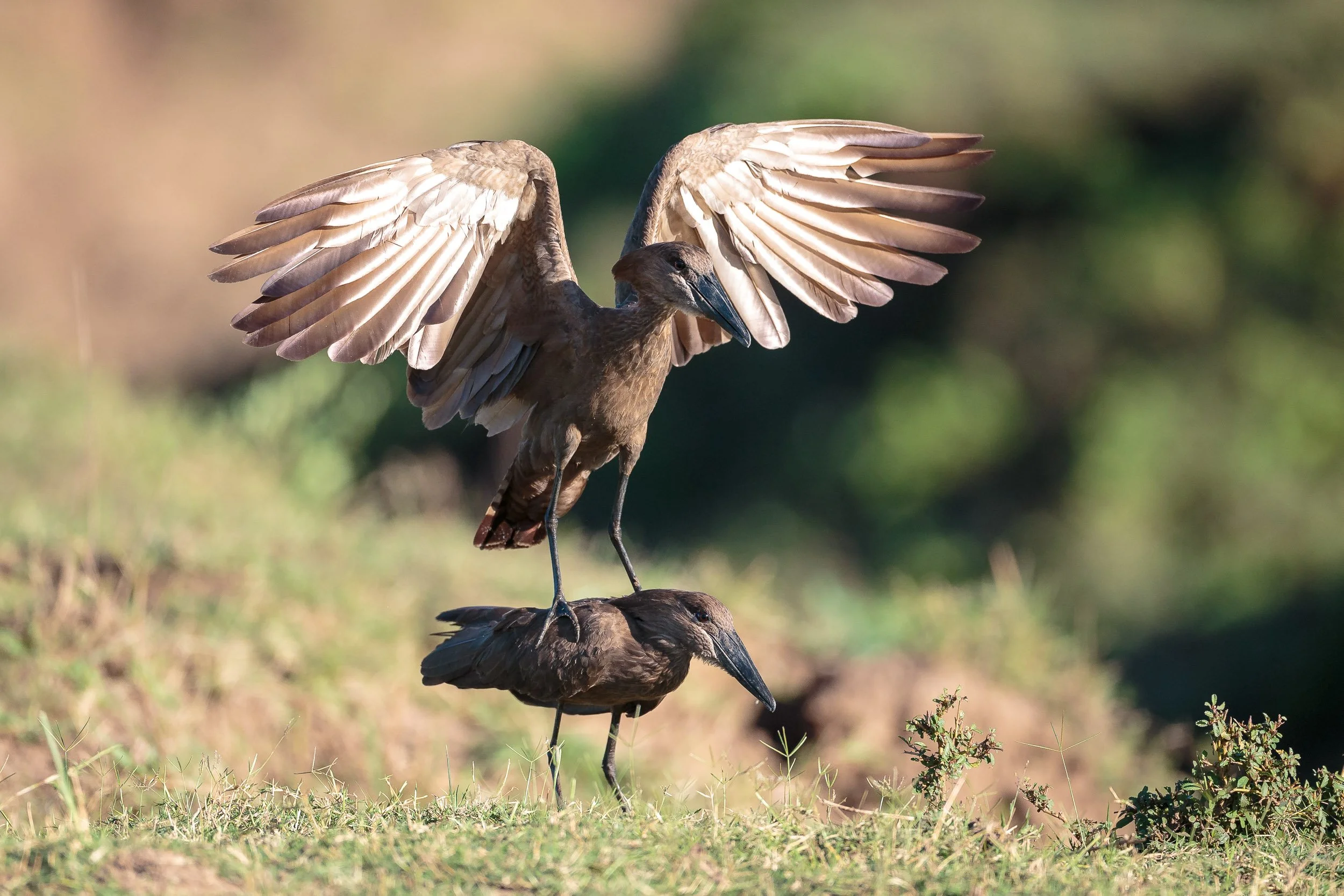
Systems
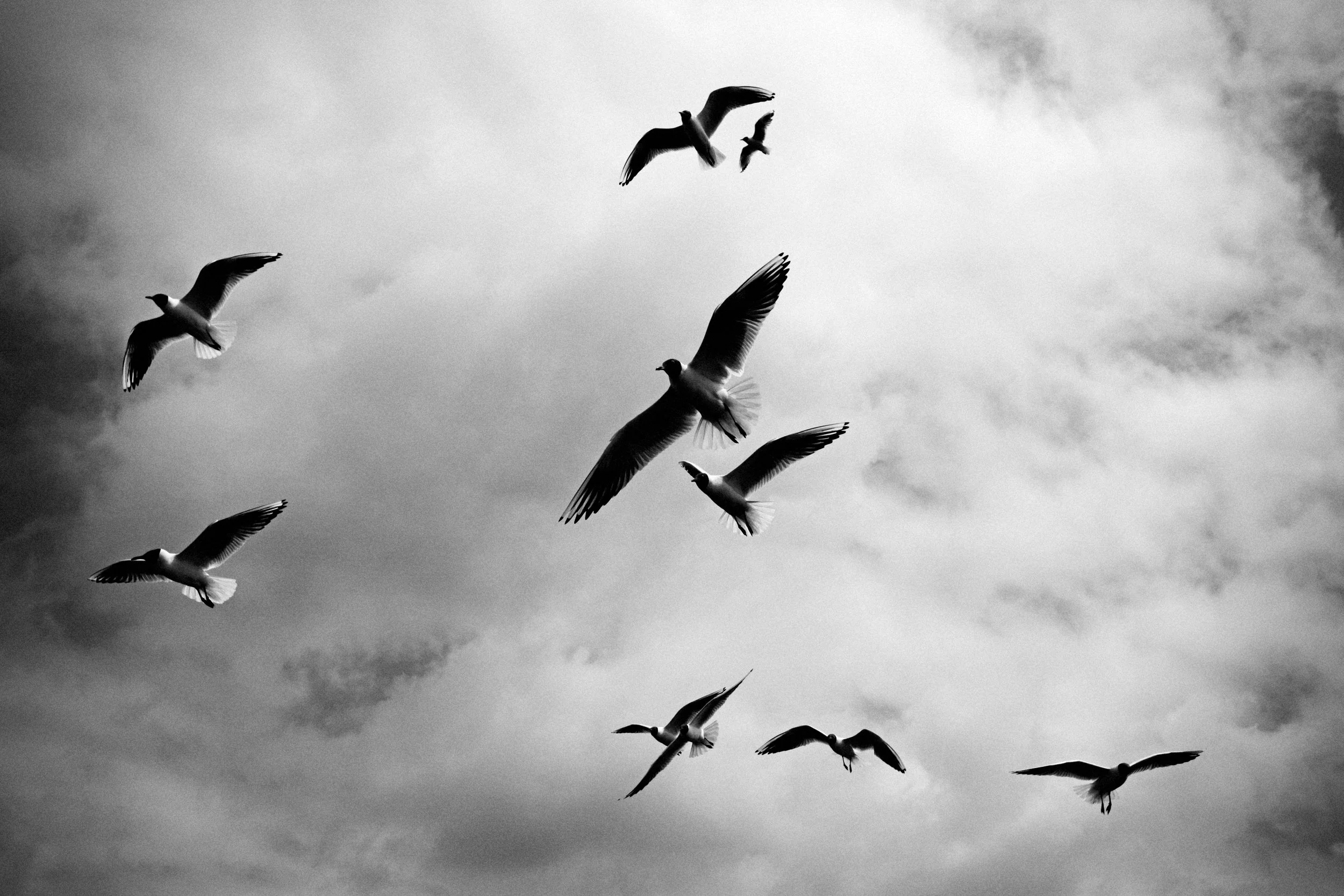
Powered by Data & People
At BirdWatch Zambia, we protect more than individual species or isolated habitats — we safeguard the systems that make life possible. These interconnected ecological networks shape how birds move, feed, breed, and survive. By understanding and conserving these systems, we secure long-term resilience for both wildlife and the communities that depend on healthy environments.
Ecosystems That Sustain Life
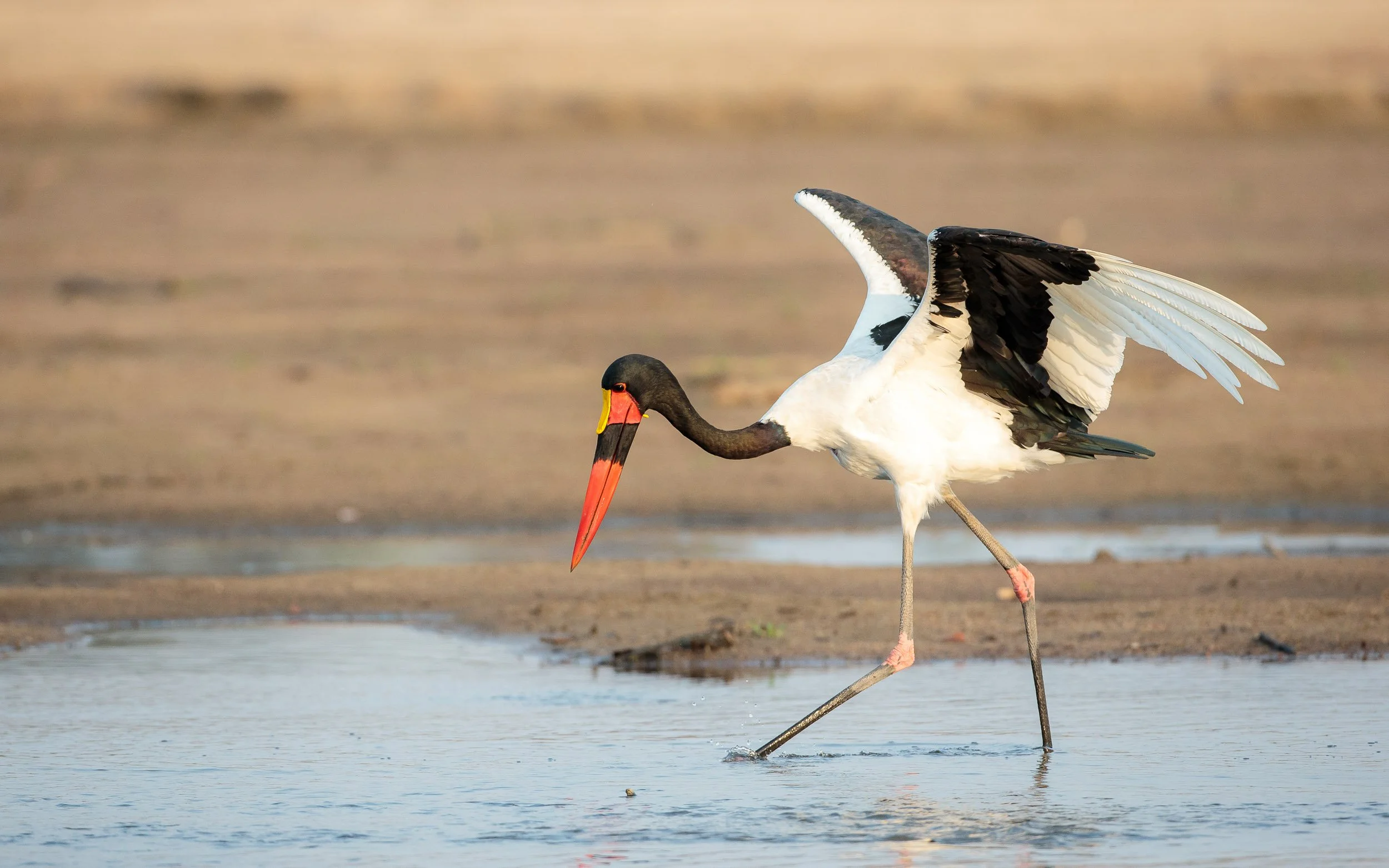
Zambia’s landscapes are built on a mosaic of ecosystems, each playing a unique role in supporting biodiversity. From vast miombo woodlands and nutrient-rich wetlands to riparian forests, dambos, and floodplains, these environments host thousands of species and provide critical services such as water regulation, pollination, carbon storage, and soil health.
Habitats That
Support Key Species
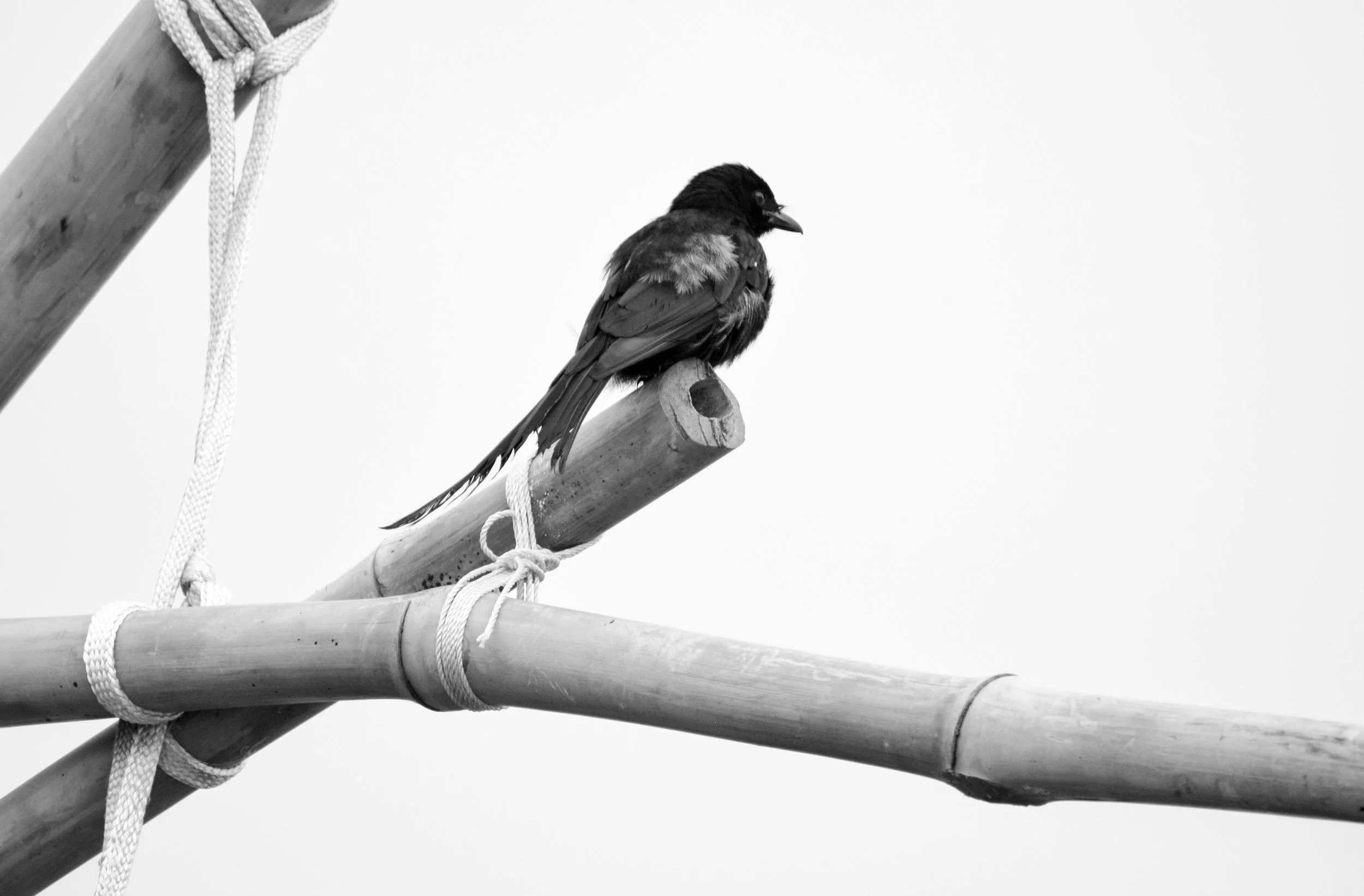
Every system contains habitats that birds rely on at different stages of their life cycles. We identify, monitor, and protect these habitats by studying breeding behaviour, migration patterns, feeding needs, and environmental pressures. This ecosystem-based approach allows us to address threats at their root rather than at their symptoms.
Migration and Flyway Networks
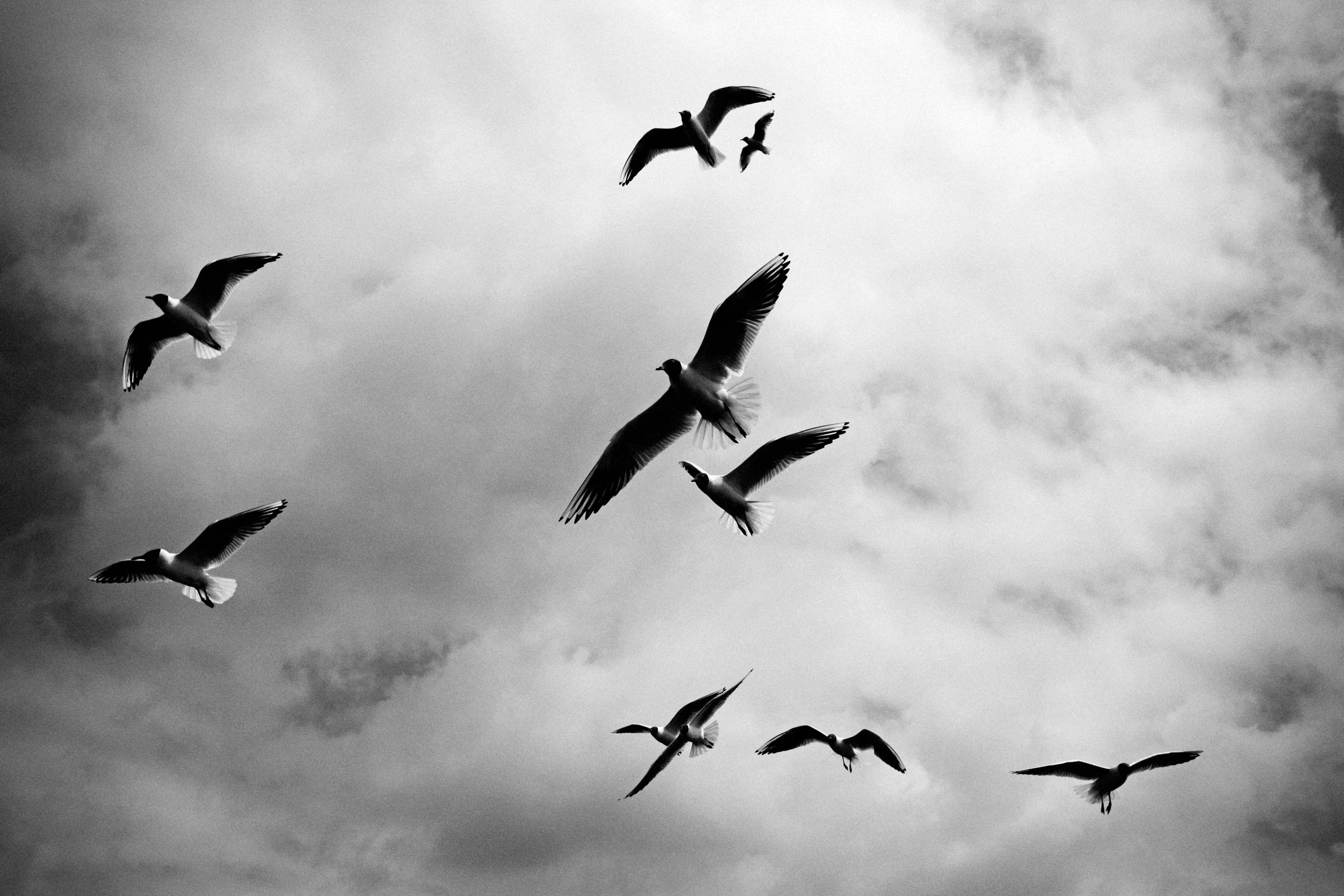
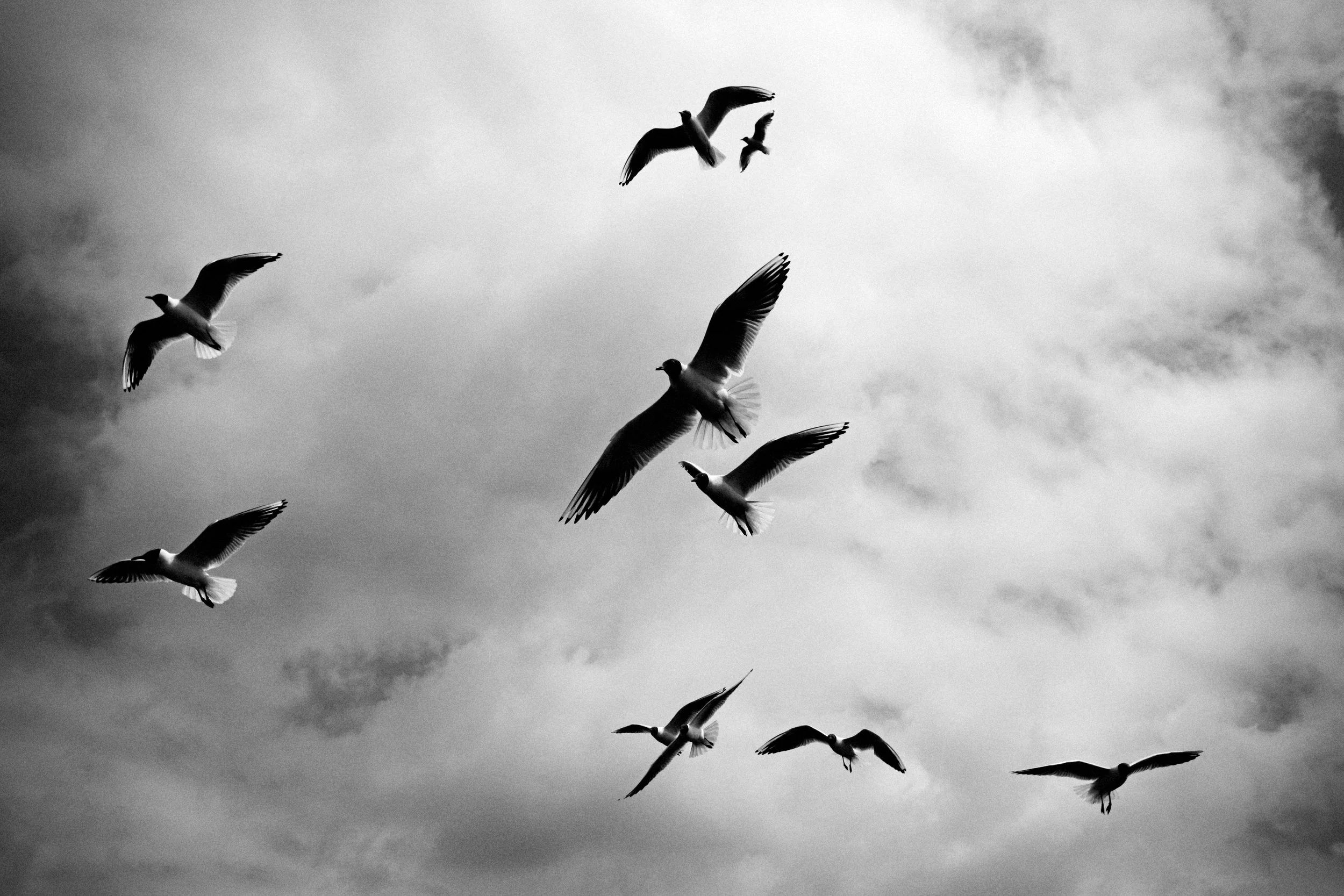
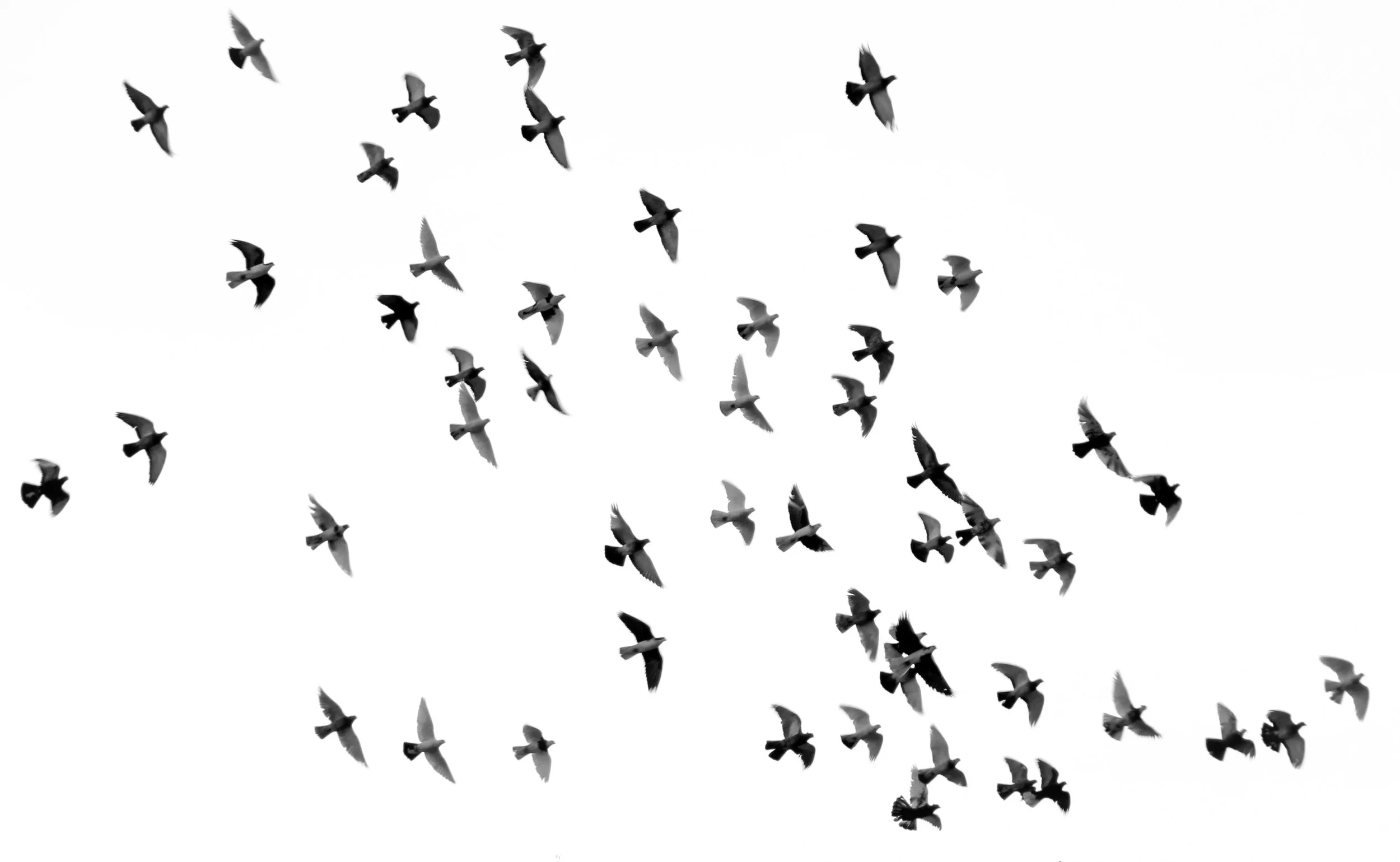
Bird migration is one of nature’s most complex systems — connecting continents, climates, and communities. Zambia lies along essential migratory flyways that billions of birds use annually. By protecting wetlands, stopover points, and feeding grounds, we ensure that migratory species can complete their journeys safely, linking our work to global conservation networks.
Landscape-Level Conservation
Strong conservation requires broader thinking. We work across entire landscapes, recognising that birds move freely between protected areas, farmlands, forests, and community lands. Our systems approach allows us to manage these landscapes holistically, balancing ecological needs with human priorities such as agriculture, water use, and sustainable livelihoods.
and Adaptive Management
Science, Monitoring,
Our conservation systems are grounded in data. Through ongoing surveys, ecological assessments, mapping, and species monitoring, we build a deep understanding of how habitats function and how climate, land use, and human activity are reshaping them. This science-led approach ensures that our actions remain effective, targeted, and adaptable.
Protecting the
Future Together
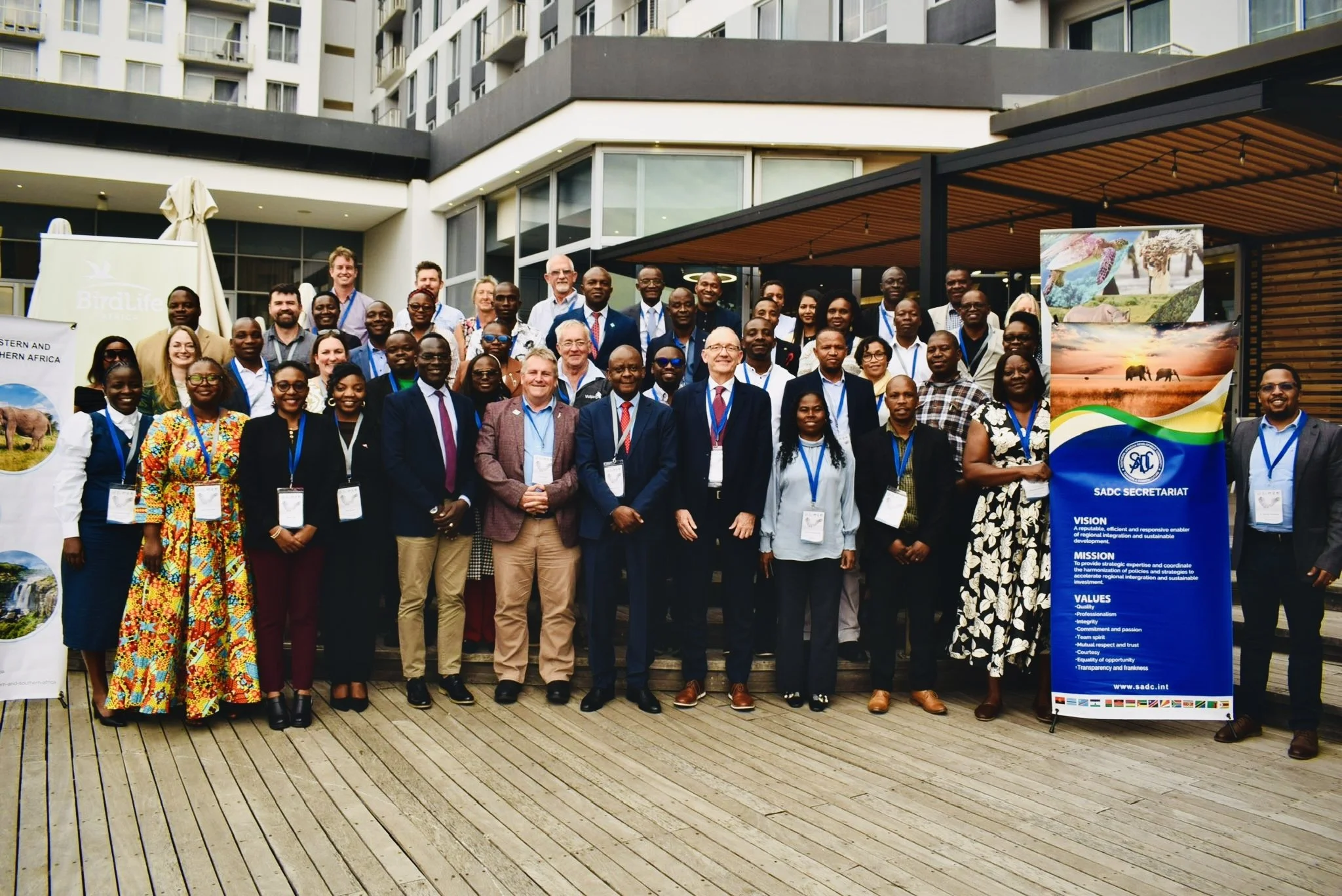
Healthy environmental systems support not only birds but also people — providing clean air, water, food, and cultural significance. By strengthening these systems today, we protect Zambia’s natural heritage for generations to come. Our work is rooted in collaboration with communities, government, landowners, and international partners whose shared efforts make system-wide conservation possible.