Sites

Why Sites Matter
BirdWatch Zambia is dedicated to safeguarding the country’s most important habitats and landscapes, recognising that the protection of birds goes hand-in-hand with the preservation of broader biodiversity. Our work focuses on specific sites that are essential for maintaining healthy ecosystems, supporting key bird populations, and preserving the natural heritage that Zambia is known for. Through a site-based approach, we ensure that every conservation effort is strategically targeted, scientifically guided, and designed for long-term impact. By identifying areas of ecological significance, we can prioritise resources, implement effective monitoring, and respond to threats before they compromise critical habitats. Each site is assessed for its biodiversity value, habitat quality, and potential to contribute to national and global conservation goals.

Important Bird and
Biodiversity Areas (IBAs)

Important Bird and Biodiversity Areas, or IBAs, are globally recognized priority sites for the conservation of birds and other wildlife. Zambia is home to 42 IBAs, each identified based on the presence of key species and populations. Over time, IBAs have been integrated into the Key Biodiversity Areas (KBAs) framework, with all existing IBAs automatically qualifying as KBAs—also referred to as Legacy KBAs.
These sites are vital for safeguarding habitats and maintaining biodiversity, providing essential resources such as food, shelter, and breeding grounds for countless species. BirdWatch Zambia monitors these areas closely to ensure effective protection and management.

Habitat Conservation
and Restoration
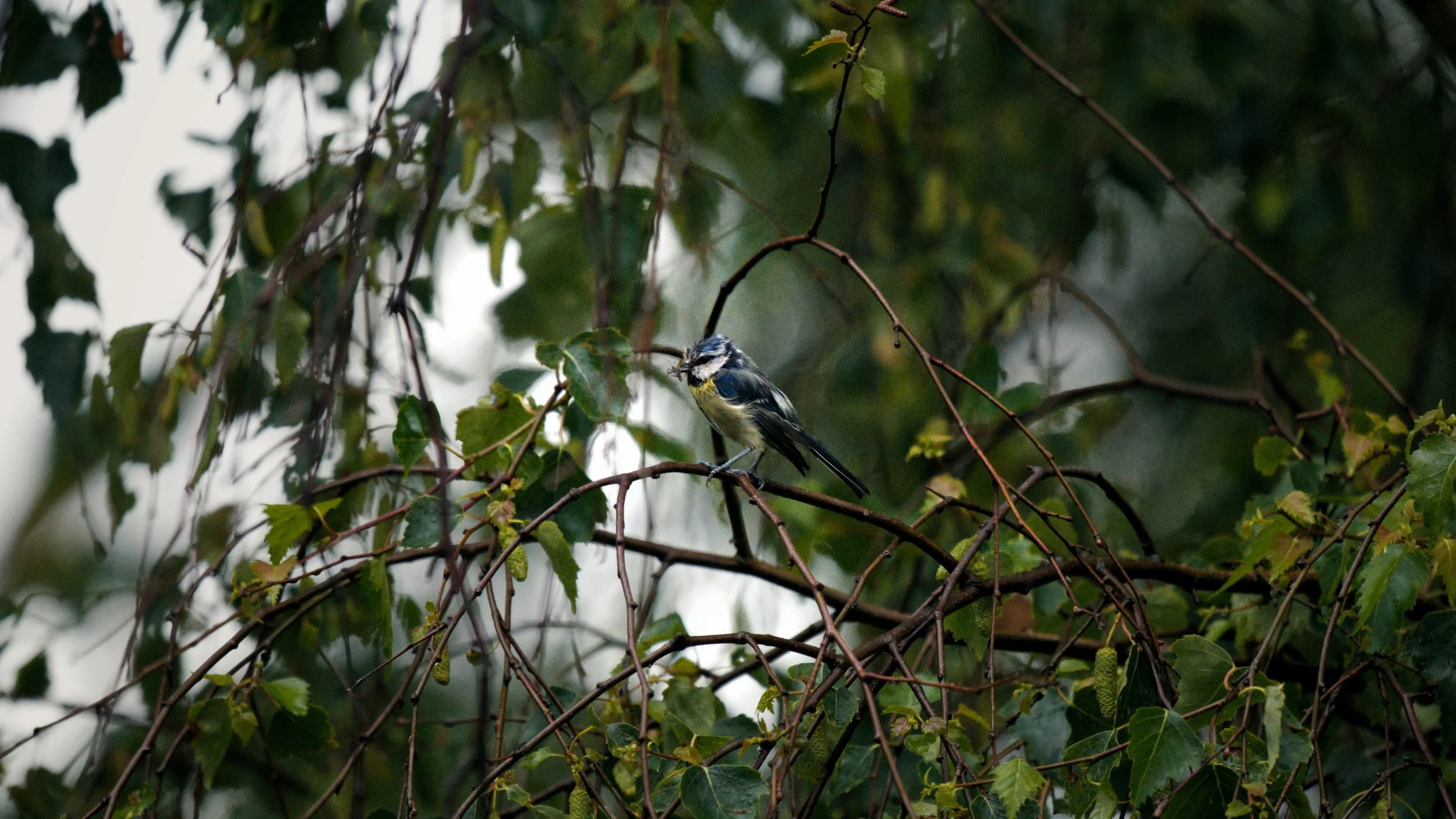
Healthy habitats are essential for sustaining wildlife and maintaining ecosystem health. In Zambia, the primary habitats we protect include miombo woodlands, dambos, floodplains, and riparian forests. Conserving and restoring these landscapes not only supports species that depend on them but also contributes to broader environmental stability.
Through active management, restoration projects, and sustainable land-use practices, we ensure that Zambia’s habitats remain productive, resilient, and safe for wildlife.
Flyways (Migratory Routes)
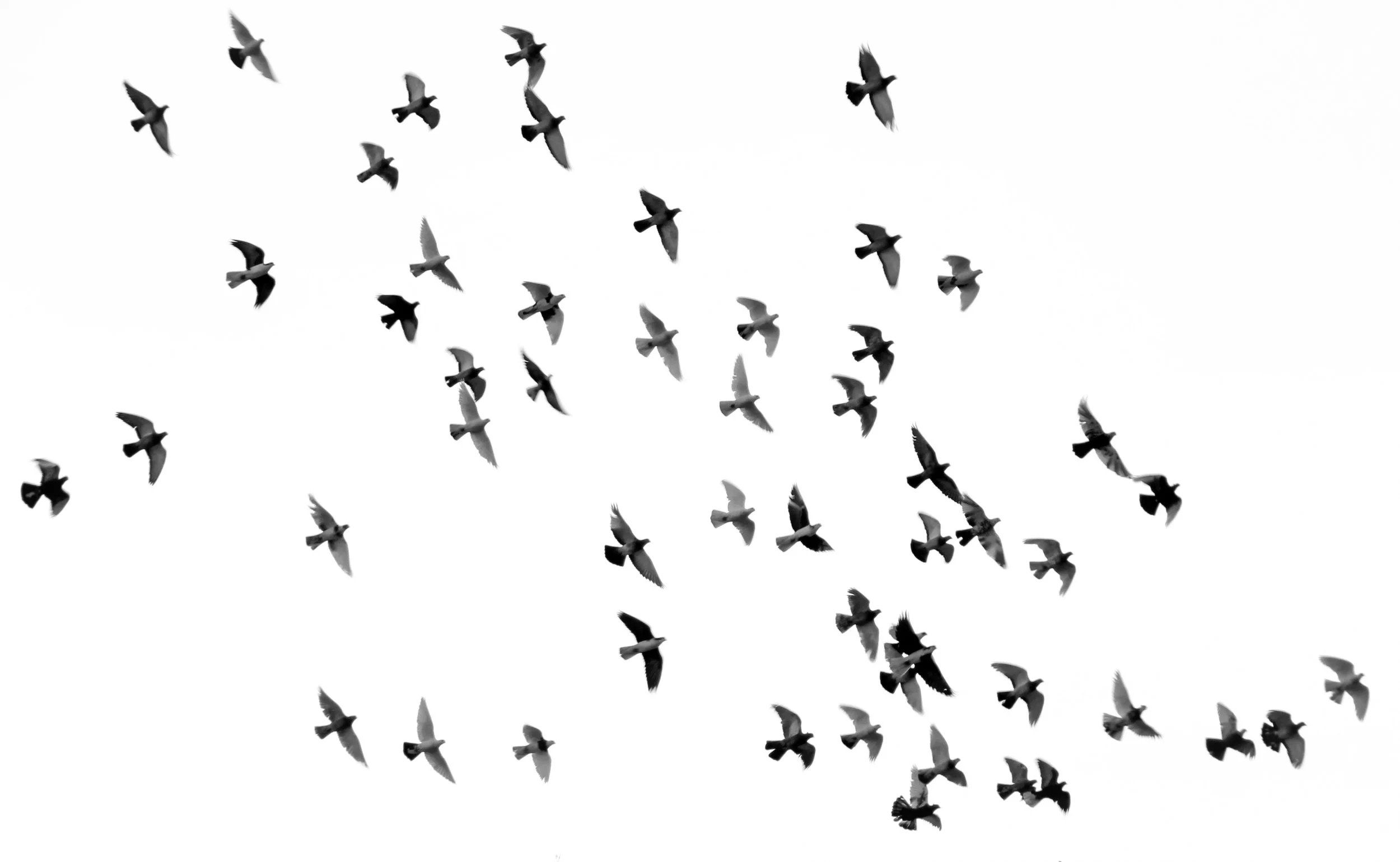
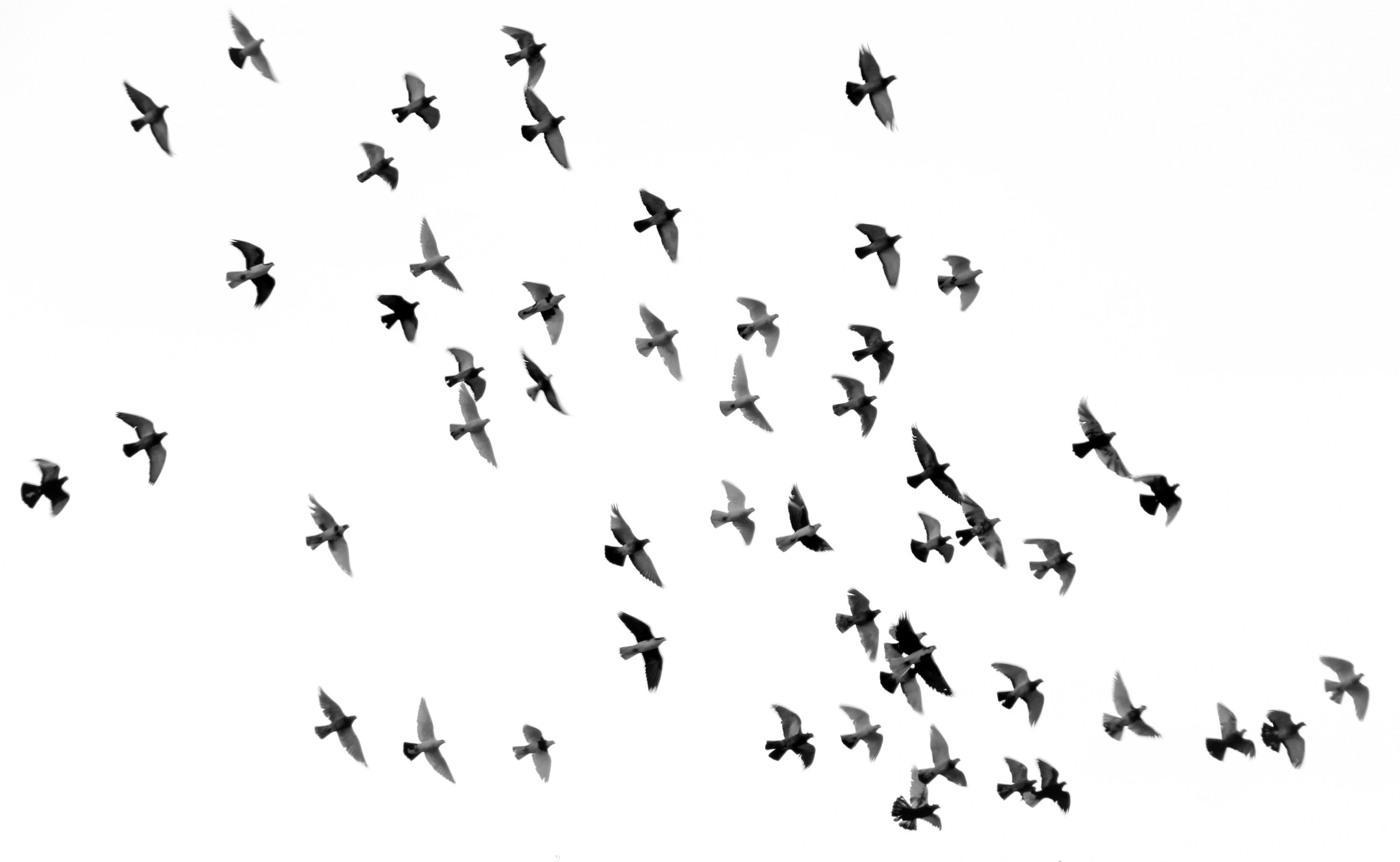
Migration is one of the most remarkable phenomena in the avian world. Flyways—well-established routes and stopover sites—connect breeding and wintering grounds for billions of birds each year. Protecting these flyways is crucial to sustaining migratory species, which rely on safe stopovers for food and rest. Our site-based work ensures that key points along these migratory routes remain intact and secure.

Monitoring and Conservation Efforts
Bird monitoring continues throughout the year, helping us track species presence, seasonal patterns, and overall ecosystem health.
A habitat-management team supports landscape health through routine maintenance, seasonal planning, and rapid response to environmental challenges.
Together, these efforts demonstrate how consistent on-site management can support biodiversity, strengthen ecosystems, and contribute to long-term conservation goals.